






It’s easy to know when to take babies and toddlers to the doctor for well-baby and well-child checkups. The schedule is pretty rigid, and we have the need for immunizations to consider too. So at two weeks, two months, six months, etc. we trot off to the doctor’s office for a checkup. After two years old, it’s still easy – once a year visits are the norm and are often covered by insurance. Plus your child is still getting immunizations during these years.
But after age five, things become much less clear. Children typically don’t need any immunizations after age five or six until they are around 12. They’re not growing as fast, and you probably have fewer questions about their development. Some camp and sports activities require a physical, but otherwise, do you really need to take your children in for an annual physical or checkup?
Read More
annual physicals child health children regular physicals for children
Filed under Health by More4kids
It’s a cliché, but like many clichés, it’s been oft-repeated because it’s true: Breakfast really is the most important meal of the day, especially for kids. During the night, your body uses energy you have stored up during the day to keep your heart beating, your blood flowing, your lungs working, etc. By morning, you need some fuel to get your brains and body started. That fuel comes in the form of blood sugar, also called glucose.
Breakfast offers many specific benefits:
Read More
best foods for breakfest blueberry waffles breakfest nutrition whole grain bread
It may seem trivial to some, but to a teenager, acne is a horrible affliction. While almost all teenagers get acne at one point or another, severe acne can lead to a negative body image and even severe depression. But don’t get worried; there are steps you can take to help your child get treated and start feeling better.
There are many myths floating around about acne. Your child may hear them at school or find them on the internet. To properly treat your teen’s acne, you need to learn the facts and share them with your child. Here are just a few facts you need to know:
Read More
acne acne cream acne cream treatment acne solutions child health pimples skin care teen acne
Filed under Health by More4kids

by Stacey Schifferdecker
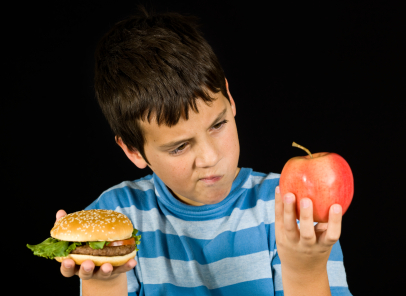
Experts estimate that by the year 2010, almost 50 percent of children in North America will be overweight. We know why – kids gain weight for the same reasons adults gain weight: too much food and not enough exercise. And while we are probably all behind the drives to remove junk food and soda vending machines from our schools, are we similarly vigilant about the food in our homes?
Separate Snacks from Treats
A dietician once spoke at my children’s preschool and explained to us the very logical distinction she makes for her children between “snacks” and “treats.”
Read More
The traditional image of the post-school hour is children skipping home to enjoy a glass of cold milk and some fresh-from-the-oven cookies. The reality is, most of us moms spend our days working at a job, running errands, or volunteering at our kids’ schools. The kids don’t walk or skip home – we pick them up or they go to an after-care program. And unless you just enjoy baking, your kids may only have fresh-from-the-oven cookies after you buy frozen cookie dough from the latest school fundraiser.
Does this change in lifestyle mean kids don’t need or want after-school snacks anymore? Absolutely not! Children need to eat every three to four hours to replenish their energy stores. With school lunch hours starting as early as 10:30 in some schools, your kids are likely to be famished by the time they get home from school.
Here are some ideas for easy, healthy after-school snacks for millennial moms:
Read More
after school snacks childrens health granola bars healthy snacks kids snacks snacks
by Tina Matsunaga
Despite the best preemptive care, many physically disabled individuals often require, at least, one invasive surgery. Especially during the growing years, surgery may be necessary to avoid additional mobility problems in the future. For example, spastic muscles have the power to dislocate hips and distort the directional functioning of joints. Knees may eventually knock together, making ambulation virtually impossible. Sometimes, other internal systems have need of surgery to repair a problem. Naturally, the prospect of surgery is scary. However, parents can help a child prepare for surgery in three important ways: explain why, how, and when the surgery is necessary. Here are a few tips:
Read More
Remember the Mary Poppins movie? She said all it takes is a spoonful of sugar to help the medicine go down. How I wish it was that easy! We all hate to see our kids sick and the last thing we want is to have a battle with them so they take their medicine. In truth, it’s not always that easy, nor is it always prudent or practical to mix sugar or anything else into our children’s medicine without checking with a health care professional.
In today’s age, we are very fortunate that several medications made for children actually taste pretty good. I remember the medicine I had as a kid and there is such a difference. I still get the shivers and feel the after taste on some of the meds I took, and that was over 40 years ago! In fact, because some of the medicine today tastes so good, we often have to take extra steps to keep medicine safely locked away so our children don’t get their hands on the yummy berry-flavored concoctions.
Read More
Filed under Health by More4kids
Kids can get easily annoyed by routines; for most of a child’s life, they are told exactly what they should do, and it is easy for them to become numb to orders. However, routines are also very important for a child. Routines help a child develop and teach responsibility. To that end, it can be difficult to get your child to engage in good dental habits. They may not be eager to do something that takes a set amount of their time every day, so it is important to help them to establish good dental habits as soon as you can. Here are some tips that may prove to be useful in your household for when you are trying to get your children to maintain their dental hygiene.
Children should begin to learn brushing their own teeth when they are about three or four years of age. Before this point, you should help your child to get through brushing their teeth so that they can get used to the process. If all goes well in teaching your child good dental habits, you can expect for them to be able to maintain their hygiene without you nagging them by around age eight.
Read More
Filed under Health by More4kids
You never know when the unexpected might happen, and with kids it usually does! Cuts, scrapes and bruises are a normal part of growing up. Whether it’s the recent rash of violent storms which have plagued our country, or unavoidable accidents in the home; having a first aid kit is essential to treat anyone in your family at a moment’s notice. Does your family have a first aid kit? If not, you can either buy a home kit or take a little time to put one together. Here are some items you will need:
Read More
accidents bandages bruises children cuts first aid first aid kit medicine cabinet scrapes
Filed under Health by More4kids
Childhood obesity rates here in the U.S. are skyrocketing. Many of the children that become overweight at a young age will develop health issue throughout their lives. How can we help overcome this and try make sure your child grows up healthy? As parents, there are a lot of things we can under consideration with respects to the habits that your child develops. It is important we help to influence those habits. Why? Because the habits our children develop when they are young tend to stick with them throughout their lives, so it’s important to start establishing good guidelines for living as soon as possible. These days, nutrition is one of the most neglected aspects of our style of living. Lets take a look at ways to establish some basic guidelines that can help our children stay healthy with regards to nutrition.
Read More
child obesity childrens health junk food nutrition